Start with safety. Do not walk into standing water if electrical outlets, extension cords, appliances, HVAC equipment, or the electrical panel may be involved. CDC flood guidance warns homeowners not to turn power on or off, or use electric tools or appliances, while standing in water. If the power cannot be shut off from a dry location, call an electrician or emergency professional rather than trying to reach the panel through water.
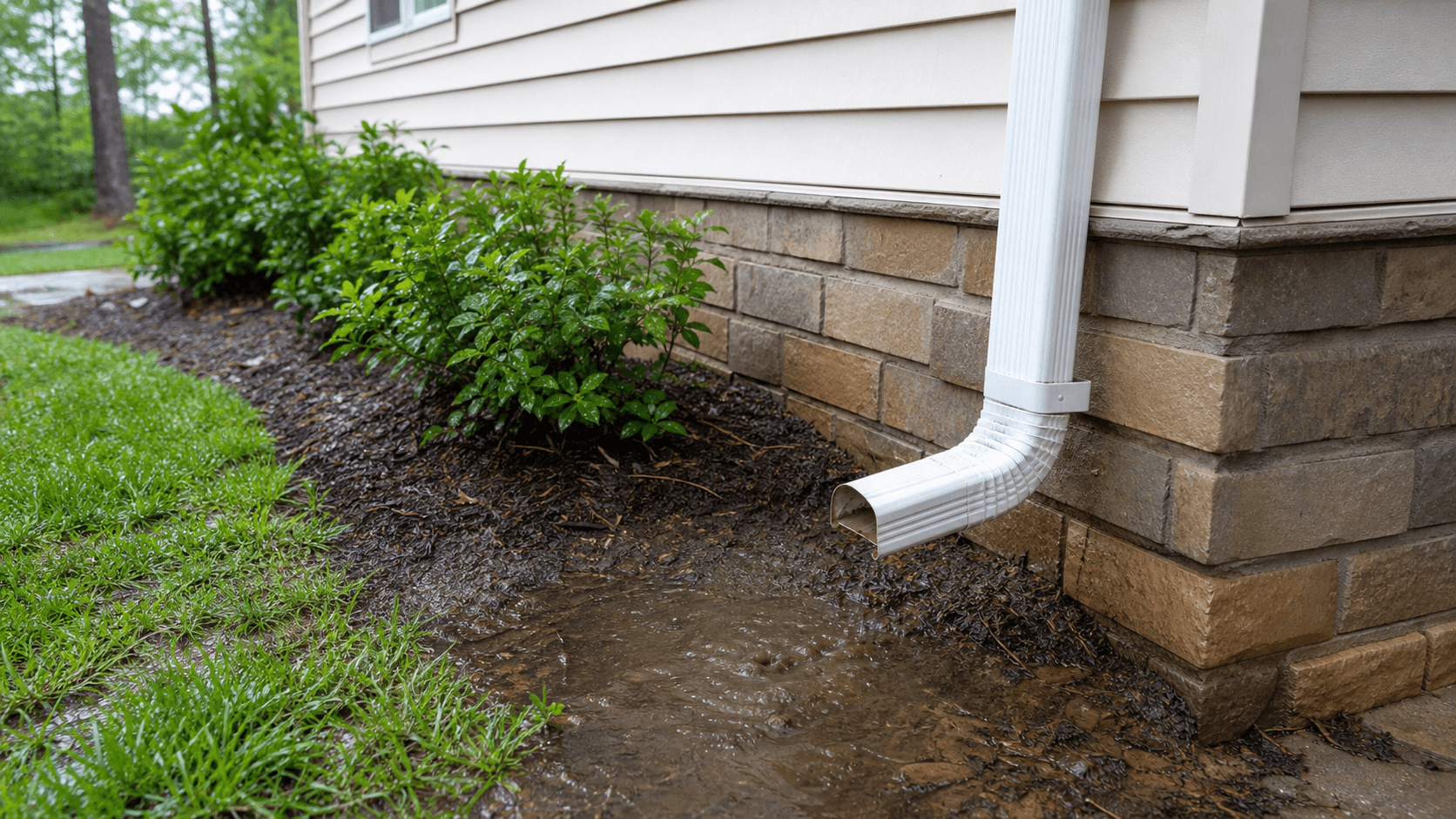
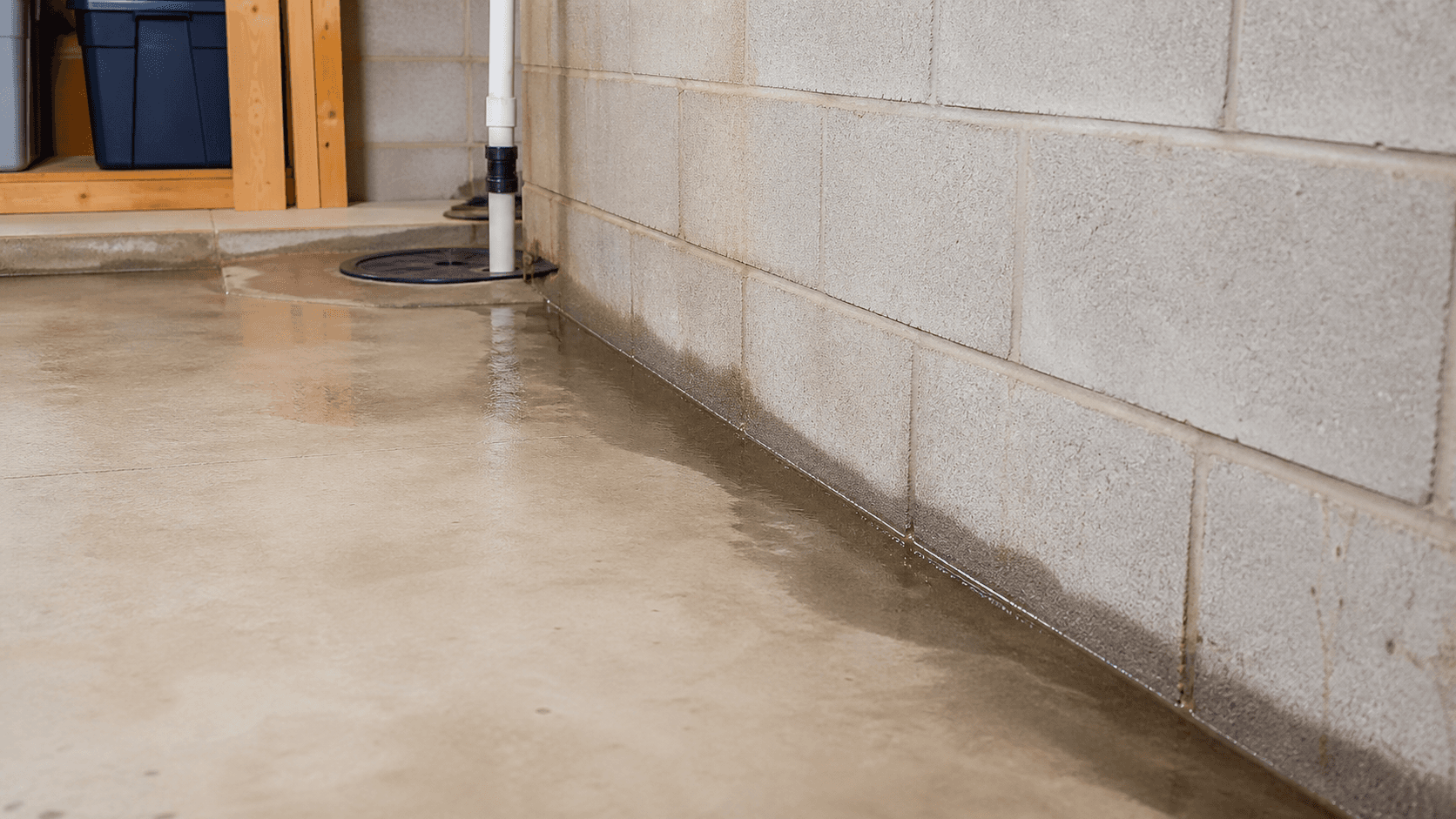
After the area is safe, take photos before cleanup. A basement that looks dry the next morning may not show where the water started. Photograph the first wet spot, water lines on walls, damp seams, cracks, the sump pit, the discharge pipe, window wells, downspouts, and any exterior puddles close to the house. Good photos help you compare the next storm and help a contractor understand whether the issue is isolated or part of a wider drainage pattern.
Remove standing water and dry wet materials as soon as it is safe. CDC cleanup guidance recommends drying wet areas quickly after storms or floods, within 24 to 48 hours if possible, to reduce mold risk. That does not mean every small damp spot is a disaster, but it does mean wet carpet, cardboard boxes, drywall, insulation, and stored items should not sit damp for days while you wait to see what happens.